Picture starting as a new clinic receptionist. A patient asks if their records are updated in the system, and the term 'electronic health record' comes up. The concept feels foreign, and the moment leaves a gap in understanding.
By reading this article, readers will grasp what medical technology in healthcare applications means and why it matters. This knowledge will help navigate daily tasks with confidence.
- Medical technology includes tools like electronic health records (EHRs) that store patient data digitally for quick access.
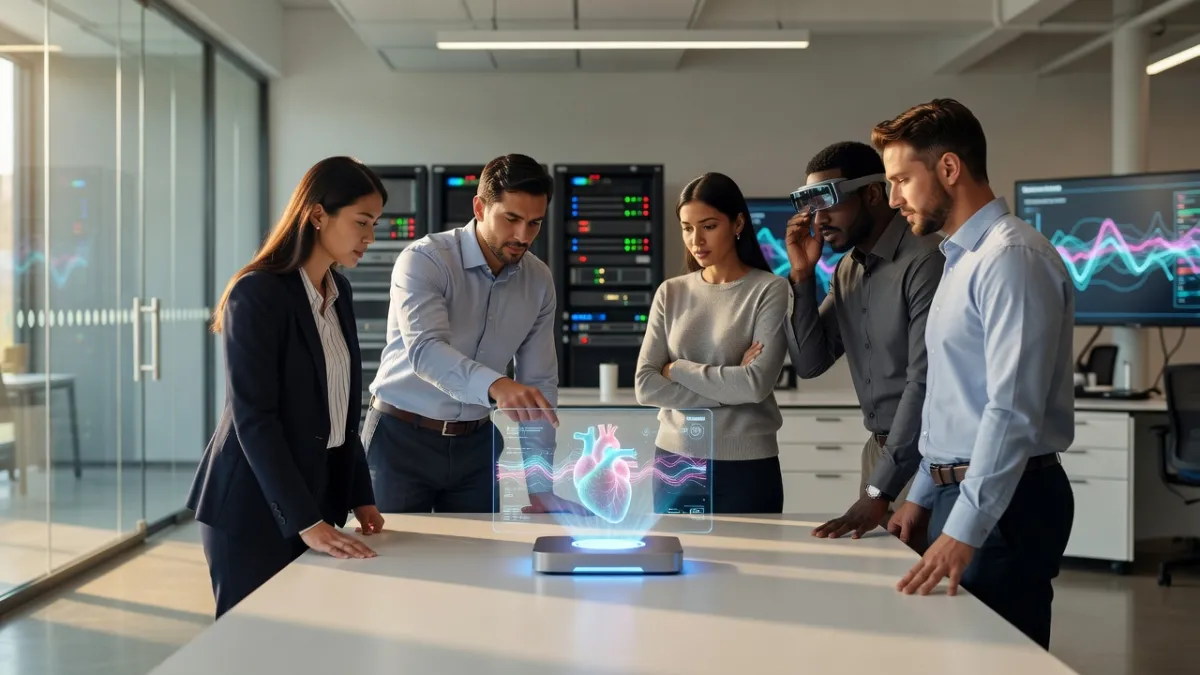
- Hospitals rely on imaging systems like MRI machines to diagnose conditions without invasive procedures.
- Telehealth platforms allow doctors to consult patients remotely, saving time for rural clinics.
- Administrators use health IT systems to track appointment no-shows, directly impacting revenue.
- Medical devices like wearable monitors help staff track patient vitals in real time.
- Understanding tech basics helps beginners communicate effectively with IT teams during system downtimes.
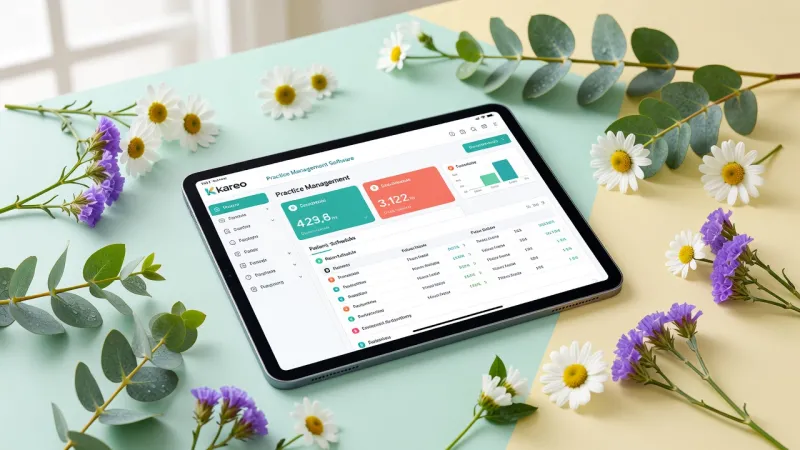
- Small clinics often start with simple scheduling tools before adopting full practice management systems.
What Is Medical Technology in Healthcare Applications?
Medical technology in healthcare applications refers to tools, systems, and devices used to diagnose, treat, and manage patient care. For beginners entering healthcare management, this knowledge is critical because tech drives efficiency and accuracy in every facility, from small clinics to large hospitals. Without a basic grasp, daily operations like scheduling or billing can become confusing.
Think of medical technology as the engine in a car. Just as an engine powers movement and connects all parts, technologies like digital patient charts or diagnostic machines connect staff, patients, and data. A clinic manager might struggle to track appointments without a scheduling system, much like a driver stalls without a working engine.
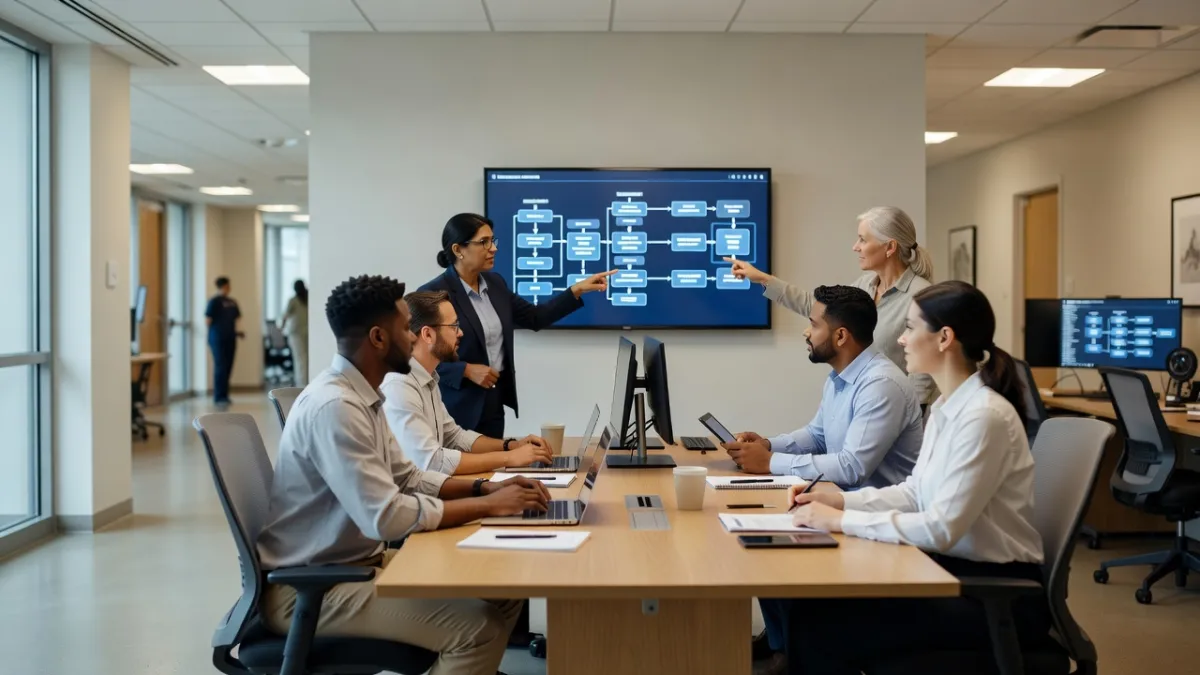
These tools are not just for clinical staff. Administrators use them to monitor patient flow, ensure accurate billing, and maintain compliance with regulations. For example, a 50-bed hospital might use a bed management system to assign rooms instantly, preventing delays during peak hours. Knowing the purpose of each tool helps new staff anticipate needs and solve problems before they escalate.
💼 Healthcare Career Opportunities
Explore healthcare management and administration roles from hospitals, clinics, and health systems.
Browse Jobs →For a deeper understanding of medical technology, Health Informatics: An Interprofessional Approach by Ramona Nelson & Nancy Staggers covers digital health systems in plain language suitable for administrators at any level.
As an Amazon Associate, we earn from qualifying purchases.
How Medical Technology Works in Healthcare Settings
Step 1: Data Collection — The process starts when patient information is gathered through digital tools. A front desk staff member enters details like name, symptoms, and insurance into an electronic health record (EHR) system during check-in. For instance, a busy urban clinic might input data for 100 patients daily to ensure no detail is missed.
As an Amazon Associate, we earn from qualifying purchases.
Step 2: Data Storage and Access — This information is stored securely in a centralized system for authorized staff to access. Doctors retrieve past test results instantly during consultations, avoiding duplicate tests. A rural hospital might pull up a patient's allergy history to prevent medication errors, saving critical time.
Step 3: Diagnosis and Treatment Support — Technology aids clinical decisions with tools like imaging systems or lab analyzers. A technician uses an X-ray machine to identify a fracture, then uploads results for the doctor's review. This step ensures a small clinic can confirm diagnoses without on-site specialists.
Step 4: Monitoring and Follow-Up — Devices track patient progress, and systems schedule follow-ups automatically. Wearable monitors might alert staff if a patient's heart rate spikes, prompting immediate action. A community hospital could use this to monitor 20 post-surgery patients remotely each day.
Step 5: Reporting and Compliance — Finally, tech generates reports for billing and regulatory needs. Administrators rely on these to prove adherence to standards set by organizations like the ONC. A clinic might produce a monthly report showing 95% of patient data was encrypted properly.

Key Roles Handling Medical Technology
Several roles in healthcare facilities manage medical technology daily. Each position ensures systems run smoothly and patient care remains uninterrupted. Beginners should recognize these roles to know who to approach for tech-related issues.
First, IT specialists maintain the digital infrastructure. They troubleshoot EHR outages, often resolving login issues for 50 users in a single morning at a mid-sized hospital. Their work prevents data loss during critical moments.
Next, clinical informaticists bridge technology and patient care. They train nurses on new software, perhaps guiding 10 staff through a charting tool update in one session. This ensures accurate data entry for treatment plans.
Lastly, healthcare administrators oversee tech adoption and compliance. They review usage reports weekly, checking if a new scheduling system reduced patient wait times by 15 minutes on average. Their decisions shape how technology impacts operations.
Common Challenges with Medical Technology
Beginners often face hurdles when dealing with medical technology. Identifying these challenges early helps prepare for real-world scenarios. Each issue comes with a practical way to address it.
First, system complexity can overwhelm new staff. Many tools have steep learning curves, and a receptionist might struggle to navigate a patient portal during peak hours. Starting with vendor-provided quick-start guides can build familiarity without stress.
Second, data security risks are a constant concern. A small clinic might accidentally expose patient information if staff share login credentials. Regular training on password protocols, often outlined by groups like HIMSS, can prevent breaches before they happen.
Third, technology downtime disrupts workflows. If a server crashes, a hospital department might delay 30 patient check-ins in one hour. Having a manual backup process, like paper forms for emergencies, ensures operations continue until systems are restored.
Practical Starting Points for New Administrators
New administrators can take actionable steps to understand medical technology. These tasks build confidence and connect theory to daily operations. Start small but stay consistent.
- Ask your supervisor for a walkthrough of the main digital system used in patient care.
- Review the facility's tech troubleshooting guide to know who to call during outages.
- Request access to a training module for the primary health IT tool in use.
- Observe a clinical staff member using a diagnostic device to see its impact firsthand.
- Explore additional insights through our Medical Technology resources for deeper learning.
Frequently Asked Questions
What is medical technology in healthcare applications?
Medical technology in healthcare applications refers to tools and systems like electronic health records, imaging devices, and telehealth platforms used to improve patient care and operations. It streamlines tasks such as scheduling, diagnosis, and billing in clinics and hospitals. For example, a 100-bed facility might use digital charts to reduce paperwork errors by 20% monthly, ensuring staff focus on patients instead of manual record-keeping.
How does medical technology improve patient care?
Medical technology enhances patient care by providing faster, more accurate diagnoses and treatments. Tools like MRI machines detect issues early, while wearable devices monitor vital signs continuously. A small clinic might use telehealth to serve 15 remote patients weekly, cutting travel time and ensuring timely consultations without compromising quality of attention.
Who manages technology in a healthcare facility?
IT specialists, clinical informaticists, and administrators manage technology in healthcare settings. IT staff fix system glitches, informaticists train others on software, and administrators ensure proper usage. For instance, an IT team in a 200-bed hospital might update security protocols monthly to protect patient data from breaches.
What are common problems with healthcare technology?
Common problems include complex interfaces, security risks, and unexpected downtimes. New staff might struggle with unfamiliar systems, while unsecured data can lead to privacy violations. A practical fix is scheduling regular training sessions— a clinic could host biweekly workshops to teach 10 employees basic navigation and safety tips.
How can beginners learn about medical technology quickly?
Beginners can learn by shadowing tech-savvy colleagues, accessing training modules, and reading facility manuals. Start by observing how staff use digital tools during patient check-ins. A new administrator at a rural clinic might spend one hour weekly watching EHR updates to understand data flow and spot common errors early.
Readers now understand the core of medical technology and its impact on healthcare operations. From patient data systems to diagnostic tools, these innovations shape daily tasks in every facility.
Take one step today by asking your IT help desk which digital health system your facility uses and searching for its official beginner video. Most vendors offer free onboarding content under 20 minutes to get started.