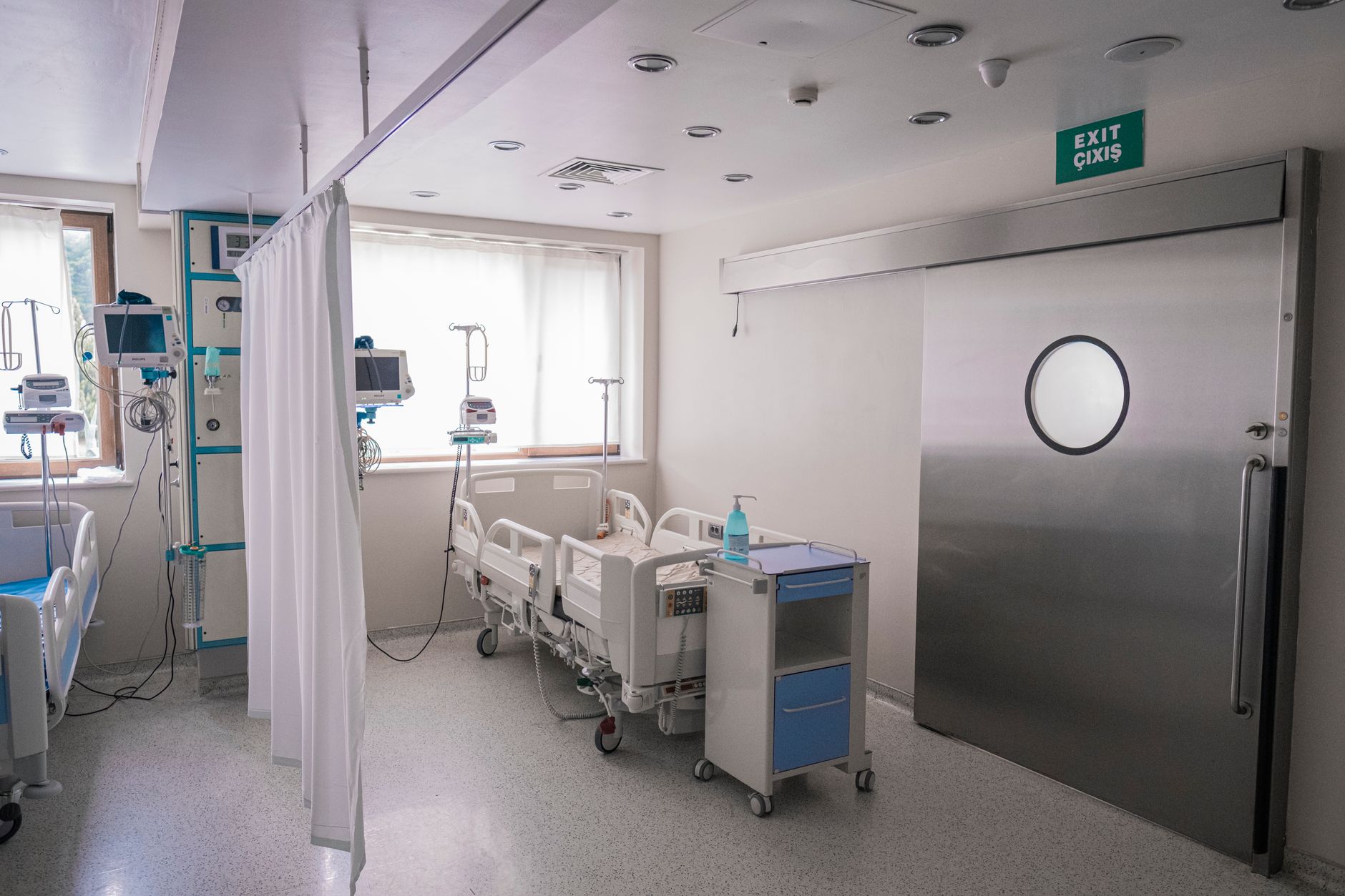
Hospital beds are among the most heavily utilized assets in any inpatient facility, and yet procurement decisions are often treated as routine equipment purchases rather than what they legally and operationally are: the acquisition of regulated medical devices. A poorly matched bed fleet drives nursing injuries, patient falls, pressure injury complications, and accelerated maintenance costs. Getting the decision right requires understanding regulatory classification, clinical specifications, total cost of ownership, and lifecycle planning—not just comparing catalog prices.
Regulatory Classification Comes First
In the United States, hospital beds are classified as Class II medical devices by the FDA, subject to 510(k) premarket notification requirements. This is not a paperwork formality. It means any bed under consideration must have documented clearance, and your procurement process should confirm that clearance status before evaluation goes further. Facilities that skip this step expose themselves to compliance gaps that surveyors from accreditation bodies will find.
Beyond FDA classification, beds must meet standards set by organizations including UL (electrical safety), ANSI/AAMI, and the relevant IEC standards for electrically powered medical equipment. Your biomedical engineering team should be verifying conformance certificates as part of the intake process—not after purchase.

As an Amazon Associate, I earn from qualifying purchases.
Clinical Fit: Matching Bed Specifications to Care Setting
There is no universal hospital bed. Acute care, intensive care, bariatric, long-term acute care, and medical-surgical units each have distinct clinical requirements, and conflating them is a common and costly error.
💼 Healthcare Career Opportunities
Explore healthcare management and administration roles from hospitals, clinics, and health systems.
Browse Jobs →Acute Medical-Surgical Units
The workhorse of most inpatient facilities, med-surg beds need reliable Trendelenburg and reverse Trendelenburg positioning, integrated head-of-bed angle monitoring (critical for VAP prevention protocols), and a low-egress height for fall prevention. Side rail configuration matters here: CMS conditions of participation and Joint Commission standards both address side rail use as a restraint issue, so rail design must support your restraint management policy, not complicate it.
ICU and Step-Down Units
Critical care beds carry significantly more complexity. Continuous lateral rotation therapy (CLRT) capability, integrated scale systems for accurate fluid balance management, CPR-release mechanisms that meet response-time expectations, and compatibility with overhead lift systems are all considerations. The bed's frame geometry also affects patient access for procedures—something that matters at 3 a.m. when a team is managing a deteriorating patient.
Bariatric Beds
Bariatric-rated beds require explicit weight capacity ratings, wider sleep surfaces, and reinforced frame construction. Facilities must ensure that weight capacity ratings are documented by the manufacturer and that the beds have been evaluated for caregiver egress and repositioning workflows. An undersized or improperly rated bed creates both clinical risk and liability exposure.
As an Amazon Associate, we earn from qualifying purchases.
Fall Prevention and Pressure Injury Specifications
Two of the most scrutinized patient safety metrics—fall rates and hospital-acquired pressure injuries (HAPIs)—are directly influenced by bed selection. Administrators evaluating beds should look for specific, verifiable features rather than marketing language.
For fall prevention: low-height capability (many contemporary beds reach 9–11 inches from floor at their lowest), bed exit alarm systems with adjustable sensitivity thresholds, and auto-contour functions that reduce the risk of patients migrating toward the foot of the bed. Verify that exit alarm systems integrate with your nurse call infrastructure—a standalone alarm that doesn't propagate to the nurse station has limited value.
For pressure injury prevention: integrated microclimate management through mattress surface compatibility is the primary variable, but bed frame features matter too. Continuous lateral rotation, percussion and vibration therapy, and easy repositioning support all contribute to pressure injury prevention protocols. Some manufacturers offer beds with integrated pressure redistribution surfaces; evaluate whether integrated systems or a modular mattress approach better fits your supply chain and maintenance model.
Caregiver Injury: The Often-Underweighted Factor
Safe patient handling is a clinical and an occupational health issue. Musculoskeletal injuries among nursing staff remain one of the leading causes of lost workdays in healthcare. Bed selection directly affects this. Features to evaluate include: compatibility with ceiling lift tracks and portable lift systems, integrated lateral transfer assistance surfaces, ergonomic siderail and control placement, and transport wheel braking systems that don't require excessive force to engage.
Facilities that are serious about caregiver injury reduction should model expected lift and transfer workflows during bed evaluation—ideally with input from frontline nursing staff and occupational health. Decisions made without that input tend to create problems that administrators hear about much later, in the form of workers' compensation claims and staff dissatisfaction.
Technology Integration Requirements
Modern hospital beds are increasingly networked devices. Bed exit and position data, weight data from integrated scales, and mobility monitoring can all feed into nurse call systems, EMR platforms, and real-time location systems. Before selecting a bed model, your IT and biomedical teams need to evaluate:
- What data does the bed generate, and in what format?
- Does it support HL7 or FHIR-based integration with your EMR?
- Is network connectivity wired, wireless, or both, and what are the cybersecurity implications?
- How does the vendor handle firmware updates and security patches over the device lifecycle?
Networked medical devices introduce cybersecurity obligations. FDA guidance on medical device cybersecurity has evolved significantly, and beds with embedded software or network connectivity fall under those expectations. This is not theoretical: networked beds with outdated firmware represent an attack surface that your security team needs to assess.
Total Cost of Ownership: Beyond the Unit Price
Capital cost is the number that appears in the budget request, but it rarely tells the full story of what a bed fleet will actually cost over a 10–15 year lifecycle. Administrators should model the following before finalizing any procurement:
Maintenance and Parts Availability
Ask the vendor directly: what is the expected parts availability period for this model? For how many years post-purchase will replacement parts be stocked? A bed that becomes difficult to service in year seven of a projected twelve-year lifecycle will either generate ongoing repair costs or force premature replacement. Get commitments in writing and build contract language around them.
Preventive Maintenance Requirements
Beds have manufacturer-specified PM intervals, and those intervals are not suggestions—they're part of the documented maintenance program your biomedical team is responsible for maintaining. Facilities with large bed fleets need to model PM labor hours as a real cost. Some beds have more complex drive and control systems that extend PM time; others are designed for simplified field serviceability. Both have their place, but the choice should be deliberate.
Mattress System Costs
The mattress is often a separate cost from the bed frame but is inseparable from clinical performance. Whether you use an integrated mattress model or source surfaces separately, mattress replacement cycles, rental agreements for specialty surfaces, and infection control replacement protocols all contribute to the real cost of your bed fleet.
Fleet Standardization vs. Unit-Specific Optimization
There is a legitimate tension in bed procurement between fleet standardization and clinical optimization. Standardizing on one or two bed platforms simplifies training, reduces parts inventory complexity, and streamlines PM scheduling. Optimizing by unit can mean better clinical fit for high-acuity areas but adds training burden and complicates your biomedical inventory.
Most experienced administrators land somewhere in between: a standard acute care platform for the majority of beds, with purpose-specified models for ICU and bariatric applications. The key is making that decision explicitly rather than arriving at an inconsistent fleet through a series of ad hoc purchases over time.
Procurement Process: Key Steps Before Committing
A defensible, effective bed procurement process for a facility of any scale should include:
- Clinical needs assessment: Structured input from nursing leadership, physical therapy, and infection control, mapped to specific unit requirements.
- Biomedical evaluation: Technical review of device documentation, maintenance requirements, and integration compatibility.
- Trial period: Most major manufacturers will support a structured clinical trial. Use it. Measure actual caregiver feedback, maintenance team experience, and any integration issues before fleet commitment.
- Contract review: Warranty terms, parts availability commitments, software support duration, and service response time standards should all be negotiated and documented before execution.
- End-of-life planning: Understand the manufacturer's decommissioning guidance and your facility's obligations for regulated medical device disposal.
Lifecycle Management and Replacement Planning
Hospital beds don't fail catastrophically on a predictable schedule, which makes it tempting to defer replacement decisions. What tends to happen instead is that an aging fleet generates increasing repair costs, parts availability gaps, and clinical feature deficits relative to current care standards. Administrators should maintain asset records that track each bed's age, maintenance history, and cumulative repair cost, and use that data to drive proactive replacement planning rather than reacting to failures.
A replacement threshold based on cumulative repair cost as a percentage of replacement value—commonly benchmarked in biomedical asset management—gives you a more defensible basis for capital requests than age alone. Tie replacement planning into your annual capital budget cycle with enough lead time to run a proper procurement process, not an emergency purchase.
The Bottom Line for Administrators
Choosing a hospital bed is a multidisciplinary decision that touches clinical outcomes, caregiver safety, regulatory compliance, IT security, and long-term capital planning. Administrators who treat it as a straightforward equipment purchase typically inherit problems: mismatched clinical capabilities, integration failures, excessive maintenance costs, or accelerated replacement cycles. The facilities that get it right invest evaluation time upfront, involve the right internal stakeholders, and hold vendors accountable through contract language—not just vendor promises.